


Walk into any casino floor and you'll see rows of glowing screens, each one promising a life-changing jackpot. But behind the flashing lights and catchy soundtracks sits something far less glamorous: cold, calculated mathematics. Understanding that math won't guarantee you a win—nothing can—but it will absolutely change how you choose machines, manage your bankroll, and walk away before your wallet goes completely empty. Here's what the industry doesn't shout about, explained without the jargon.
RTP, House Edge, and Why They Matter More Than "Hot" Machines
Every slot machine has a Return to Player percentage, or RTP. This is the theoretical amount a machine pays back over millions of spins. A slot with 96% RTP keeps 4 cents of every dollar wagered over the long run. That 4% is the house edge, and it's the only number that reliably works against you.
What RTP does not mean is that you'll get 96% of your money back in an evening. Variance is the other half of the equation. A low-volatility slot like Starburst (roughly 96.1% RTP) pays small, frequent wins. A high-volatility monster like Book of Dead (96.2% RTP in most versions) can drain 200 spins before a single bonus triggers—then pay 5,000x your stake. Same RTP, wildly different experience.
Practical tip: check the RTP in the game's help menu before you play. Online regulators in Malta, the UK, and Sweden force operators to display it. If a casino hides that number, treat it as a red flag.
- 96% RTP and above: solid, player-friendly slots
- 94–95% RTP: common in land-based casinos, less generous
- Below 92% RTP: usually progressive jackpot games—you're paying a premium for the dream
Poker Is the Only Game Where Skill Actually Shifts the Odds
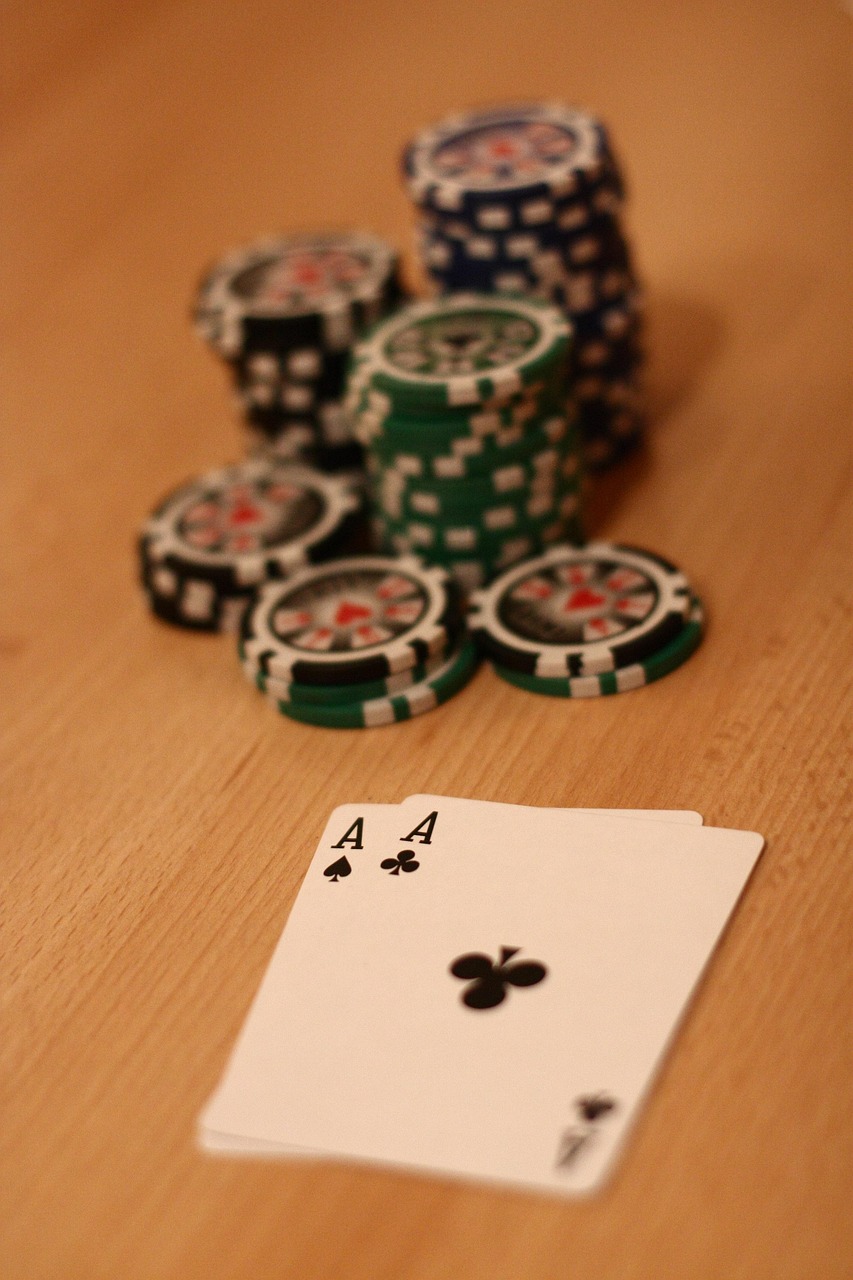
Here's the uncomfortable truth for casino operators: poker is the one game in the building where a good player can win long-term. That's because you're not betting against the house—you're betting against other humans, and the house just takes a rake, typically 5% of each pot up to a cap.
This changes everything about strategy. In slots, blackjack, or roulette, the math is fixed and pre-determined. In poker, your edge comes from identifying weaker opponents and exploiting their mistakes. That's why position at the table matters so much. Acting last gives you information the earlier players don't have—you see their bets, their hesitations, their check-raises before you commit a single chip.
If you're serious about poker, focus your study on three things before anything else:
- Preflop ranges. Know which hands to open from each seat. Playing too many hands is the single biggest leak for beginners.
- Pot odds. If you're chasing a flush draw, you need roughly 4:1 on a call. Anything worse is burning money.
- Opponent tendencies. Tag opponents as tight, loose, passive, or aggressive. Your whole strategy adjusts from there.
A common mistake: new players copy tournament strategies into cash games. They're different beasts. Tournaments reward survival; cash games reward relentless value extraction. Don't mix the two.
Sports Betting: Where the Line Is Smarter Than You Are
If you've ever felt like the sportsbook "knows" your team is going to lose, you're not paranoid. Modern betting lines are set by algorithms processing injuries, weather, historical performance, and millions of dollars in sharp money. The opening line is usually within a fraction of a percent of true probability.
That leaves one honest edge for recreational bettors: line shopping. The same match can have different odds across four or five books. A team priced at +145 on one site might be +160 on another. Over a hundred bets, that difference is a meaningful chunk of profit. You can read more about it on az888.br.com.
Two more practical notes. First, avoid parlay addiction—combined bets multiply the book's edge against you, not your potential. Second, track every bet in a spreadsheet for at least three months. Most bettors believe they're break-even when they're actually down 8%. Data doesn't lie.
Bonus Terms: Read the Fine Print Before You Claim Anything
Welcome bonuses look incredible until you hit the wagering requirement. A 100% match up to $200 with a 40x rollover means you must bet $8,000 before withdrawing a cent. If the bonus expires in seven days, that's over $1,100 in wagers per day. Most players fail, and the casino knows it.
Watch for these clauses specifically:
- Game weighting: slots count 100% toward wagering, but blackjack and roulette might count only 10% or not at all
- Max bet rules: betting above the limit (often $5) while clearing a bonus can void your winnings entirely
- Max cashout caps: some "free spin" bonuses only let you withdraw $100 regardless of what you win
- Sticky bonuses: the bonus amount is never converted to cash—only winnings from it can be withdrawn
A better approach: calculate the expected value before claiming. If the bonus is $100 with 40x wagering on a 96% RTP slot, the expected loss is $100 × 40 × 4% = $160. You're technically starting $60 behind. That doesn't mean every bonus is bad—but the truly valuable ones often come from loyalty programs rather than headline sign-up offers.
Bankroll Management Is Boring and Absolutely Essential
No strategy—not card counting, not hot streaks, not reading dealer tells—survives bad bankroll management. The rule professionals use is simple: never risk more than 1–2% of your total bankroll on a single bet or spin. With a $500 bankroll, that's $5 per spin. It feels conservative. It's also what keeps you in the game long enough for variance to even out.
Set win and loss limits before you start playing. If you're up 50%, walk away or bank half. If you hit your loss limit, close the laptop. This is where every honest gambler eventually lands: the house edge is real, and the only variable you control is how long and how much you choose to expose yourself to it.
The Bottom Line
The iGaming industry is one of the most sophisticated data operations on the planet. It knows more about player behavior than most tech companies know about their users. The only way to sit at that table as a player and not feel outmatched is to understand the mechanics: RTP, variance, rake, line movement, bonus traps. None of it makes gambling a reliable income—it doesn't, and anyone promising otherwise is selling something. But it does make you harder to exploit, more deliberate with your money, and honestly, a sharper player overall. Treat each session as entertainment with a price tag, refuse to chase losses, and you'll enjoy the ride a whole lot more.


Leave a reply